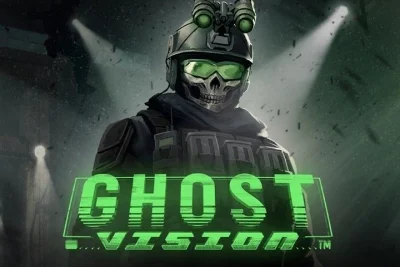
Ghost Vision
Free demo · no sign-up · play credits only
 Powered by SlotsReach.com

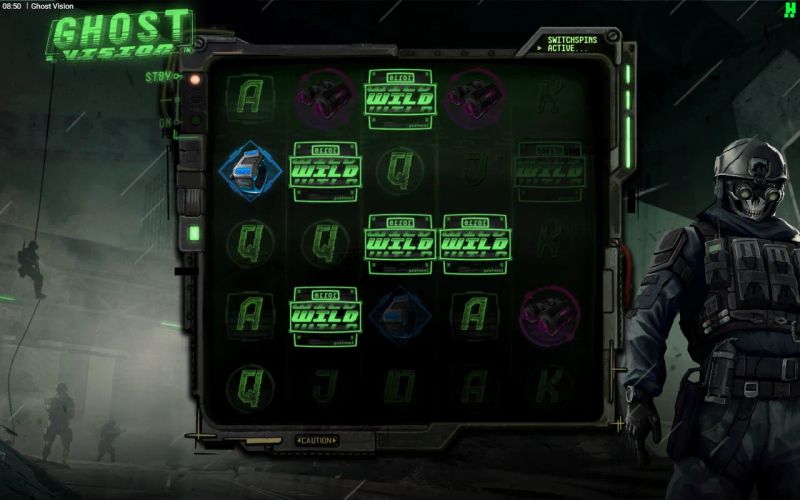
About Ghost Vision
Ghost Vision is a slot from Hacksaw Gaming. Ghost Vision combines a war theme with respins, symbol transformation and symbol collection. Those mechanics provide specific things to investigate rather than assuming the title describes how the game actually plays.
Gameplay and features
The catalogue lists a 5×5 layout. With line payments, qualifying symbols must follow the active paths described in the paytable. Check the required number of matching symbols and the payment direction; a similar looking combination elsewhere on the board may follow different rules.
Its catalogue feature list includes Lines, Buy Bonus, Free Spins, Respins, Symbol Transformation, Symbol Collection, Ante Bet, Retrigger and Scatter. For free spins, read the trigger conditions, the awarded rounds and any changes from the main game. Respins have their own retained positions and stopping conditions, which can differ from free spins. To broaden the comparison, open Ghost Ship and examine its own layout and bonus instructions.
RTP and game information
The catalogue RTP is 96.33%. This theoretical figure describes a long run model, rather than the return from a particular session. The listed volatility is high, a broad description of payout variability. The catalogue maximum is 10,000 times the stake; that ceiling does not indicate how often such an outcome occurs. Compare these figures with the information shown for Fairground Fortunes: Ghost Train, keeping differences between game versions in mind.
Explore the demo
Use the demo, when available, to inspect the help screen, payment examples and feature behaviour at your own pace. Check the configuration shown inside the game because catalogue details and operator settings can differ. A listed bonus purchase may not be available in every version; check its displayed cost and conditions separately.
For two further comparisons, browse Knights vs Barbarians and Roman Rivals: Blood and Sand. Reading their separate rules helps distinguish shared theme labels from differences in actual game structure.